
Labour’s 2026 Women’s Conference Ban on Trans Women: A Step Backward in Equality
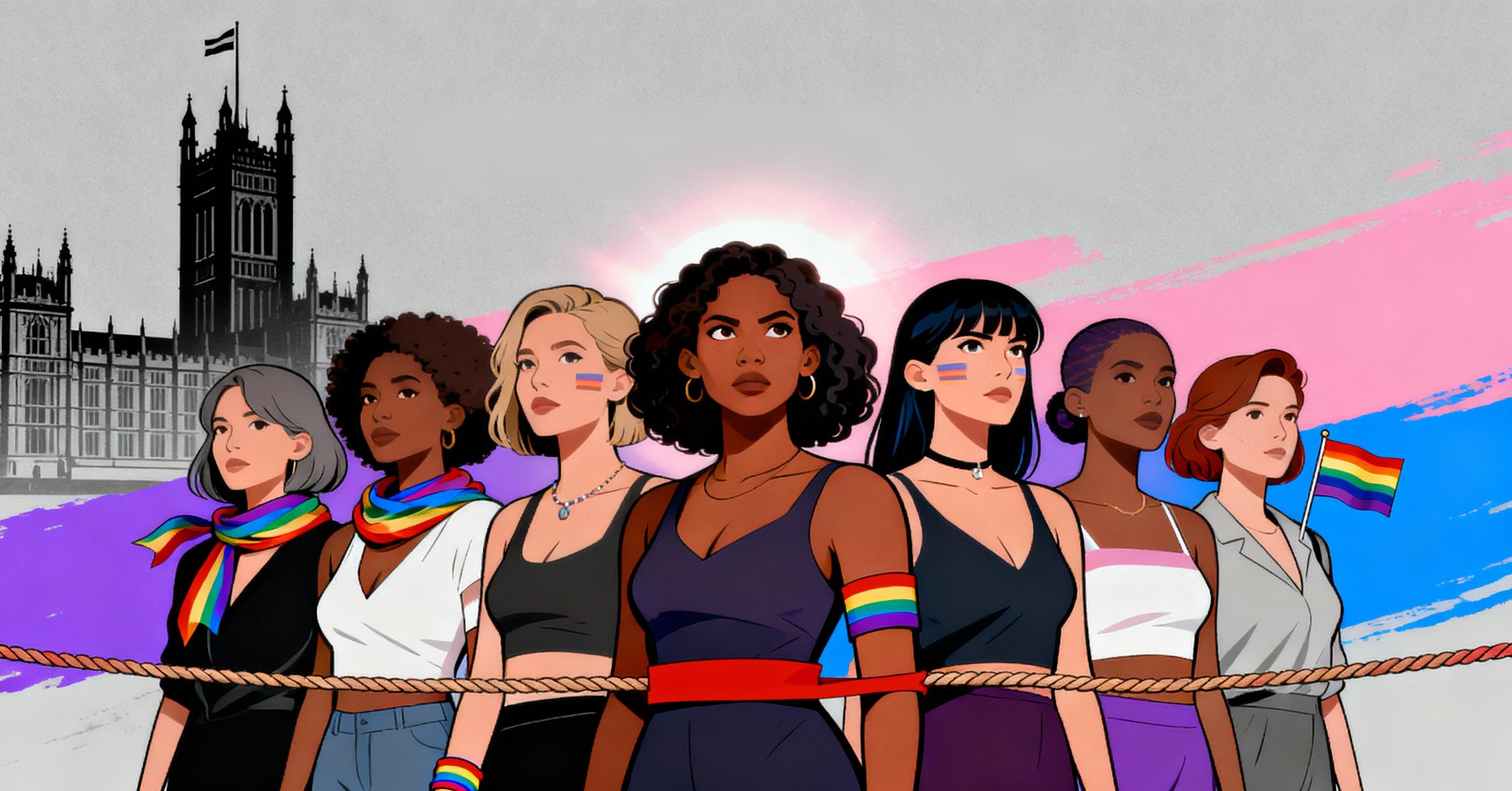
Labour’s 2026 Women’s Conference Ban on Trans Women: A Step Backward in Equality
According to a recent report by PinkNews, the British Labour Party has announced that trans women will be banned from attending the official proceedings of its 2026 National Women’s Conference. This follows a Supreme Court ruling stating that the legal definition of “woman” under the Equality Act can refer solely to biological sex.
Let’s call this what it is: a political retreat dressed up as “legal compliance.” A party that once positioned itself as progressive is now drawing arbitrary lines between women—lines that exclude some of the most vulnerable members of the community.
Sure, trans women will be “allowed” to attend fringe events. But being allowed to linger on the sidelines while being barred from participating in debates, speeches, and decision-making processes doesn’t equal inclusion. It equals segregation—polished, packaged, and sold as bureaucratic necessity.
The Message Is Loud and Clear
When you remove trans women from formal spaces where policies are shaped, you’re not just limiting participation. You’re telling them:
“You can be here… just not with us. Not where it matters.”
And that is a devastating message for any party claiming to fight for equality, representation, and justice.
Labour’s Choice Isn’t Neutral — It’s Political
The decision follows concerns about “legal compliance” and “security risks.” Let’s be real for a moment: whenever institutions start hiding behind vague legal language, it’s usually because they are unwilling to take a moral stance.
Labour could have chosen courage. Instead, they chose caution — at the expense of trans women who already face systemic discrimination, under-representation, and increasing hostility in public discourse.
This Sets a Dangerous Precedent
If the UK's biggest opposition party decides that trans women are not to be included in women’s political spaces, what message does that send to employers, community organizations, and lawmakers?
It tells them that exclusion is acceptable. That equality is negotiable. That solidarity has fine print.
And for trans women—who rely heavily on political advocacy for healthcare, safety, and social protection—this is not just symbolic. It is materially harmful.
We’ve Seen This Pattern Before
Whenever political pressure mounts, trans people become the first bargaining chips on the table. It’s easier to placate reactionary voices by sidelining a minority than confronting prejudice head-on.
The UK has already seen a rise in anti-trans rhetoric, policy rollbacks, and public hostility. This decision is not made in a vacuum—it is part of a broader cultural regression.
Labour Should Know Better
Women’s liberation movements have always been strongest when they embraced diversity and challenged exclusionary norms. By shutting trans women out of official spaces, Labour betrays that history.
If the party truly cared about under-representation, it would address the structural barriers faced by all women—including trans women—rather than crafting policies that silence them.
A Final Word
Trans women are women. Not fringe participants. Not afterthoughts. Not legal inconveniences.
They deserve a seat at the table—especially in conversations about policy, representation, and the future of women’s rights in the UK.
Labour’s decision is not progress. It’s a disappointing step backward.
Founder & author at PrideHives — your global LGBTQIA+ community.
Connecting voices. Empowering stories. Celebrating identity. 🌈
PrideHives.com – The international LGBTQIA+ social platform.
A safe, vibrant and inclusive space to connect, express and belong.
Join today: PrideHives.com

 Arabic
 French
 Spanish
 Portuguese
 Deutsch
 Turkish
 Dutch
Dutch
 Italiano
 Russian
 Romaian
 Portuguese (Brazil)
 Greek
Greek